http://www.dcgpac.com/


Showing posts with label best packaging solutions. Show all posts

Wednesday, 7 October 2015

Say Hello to PlastiCorrTM - The World's First Plastic Reusable Corrugated Box


Orbis

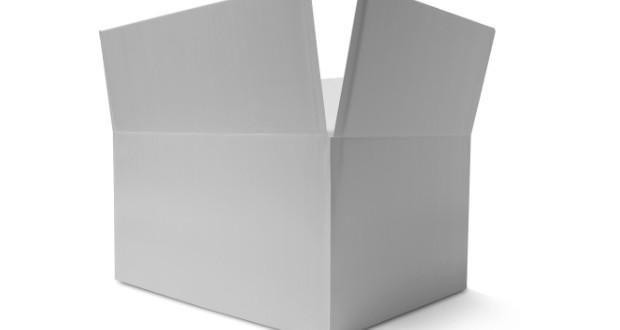
You would have heard about plastic corrugated boxes. You may even have heard about reusable boxes. But a plastic reusable corrugated box is the first of its kind to be developed. Orbis Corporation has introduced PlastiCorrTM which happens to be reusable corrugated box made from plastic and compatible with the current system of automated packaging lines.
Orbis Corporation is known for its efforts for creating sustainable reusable packaging and supply chain optimization. As reported by Packaging News UK, “the product brings unprecedented environmental, economic, cleanliness and operational benefits to today’s food, beverage and consumer packaged goods companies.” The need of the hour today is to come up with sustainable packaging ideas that are eco-friendly, cost effective and scalable in order to meet current as well as future demands.
The design of this one of a kind packaging material is such that the flaps return to a straight position after every use. This has been made possible with the use of a flap design. Due to this feature, the box is good enough to be reused, thereby reducing the need to procure new packaging material all the time. From a cost perspective, this allows a considerable amount of investments to be saved up and utilized elsewhere. Perhaps this is the beginning of a whole new line of packaging materials that will redefine packaging solutions in the years to come.
“Historically, fiber corrugated boxes have been the backbone of most automated packaging lines and shipping scenarios within supply chains, but as supply chains have evolved, so too has the need for a comprehensive reusable solution that can holistically address the many needs of modern supply chains. With PlastiCorr, companies are now able to implement reusable packaging solutions that meet the automation requirements of packaging applications with a drop-in replacement while offering significant financial, operational and environmental benefits.”, said Bill McMahon, director of business development for Orbis Corporation.
The new packaging material has been specifically designed to maintain compatibility with modern packaging lines and can be used in all types of low, medium and high-speed lines. The plastic box should provide adequate protection from dust and moisture while the rigid structure of the box will allow greater durability. The presence of proper flaps on the box allow it to be reused without any difficulty. It is features like this that make this box a truly exceptional packaging material that is in reality, the need of the hour.

Some may argue that supporting plastic packaging is not in line with conventional sustainable concepts. Well, as long as the usage is controlled properly and reuse is ensured, there is not much threat to the environment. We need to be responsible while using as well as reusing it. This will ensure that plastic is not misused. Moreover, it will help in reducing the use of paper based packaging material. This will prove to be beneficial for the environment.

Wednesday, 4 February 2015

5 Popular Packaging Solutions Used by Shipping Companies Globally


It is common knowledge that shippers have to deal with various consignments and it is not possible to pack every product in standard shipping boxes. Deciding the right shipping box involves the evaluation of a lot of factors such as specific product storage requirements, durability of the product, transit duration, and overall physical characteristics of the contents. 

Here are 5 popular packaging solutions that are used by shipping companies around the world.

Shrink Wrap

If you want to keep your packages together and bundle them up tightly in one big consignment, then shrink wrap is the best option. Apart from holding the packages intact, shrink wrap is useful in protecting against puncture and abrasion. It is also quite durable and offers considerable impact resistance.
Shrink wrap can be used as a primary packaging as well as a secondary packaging. Since the key composite material is a plastic polymer, it is cheaper (in terms of finished product) and is easy to recycle also. The added benefit of using this material is enhanced visual appeal which contributes towards increasing brand value.

Crates / Pallets

Crates and pallets are important components of the shipping process. These are considered as secondary packaging and are crucial for keeping the products safe till they are handed over or delivered to the required destination. Pallets help to maintain a proper elevation of the cargo so that the packages do not come in direct contact with the ground. This is important for protecting the packages from dust and moisture which are unavoidable if they are brought in direct contact with the ground surface.

Vacuum Packaging

This is a packaging solution where the products are sealed and kept in a completely closed environment. Vacuum packaging is the preferred method for perishable items as the creation of an anaerobic environment (results in absence of bacteria, mold and yeast) helps to minimize the risk of spoiling. So basically, anything that needs a hermetically sealed storage environment needs to be vacuum packed.

Preservation Packaging

Preservation packaging can be best summarized as including vacuum packaging, shrink wrapping canning and other packaging methods. The primary aim behind this form of packaging is preservation of the contents and to ensure that the product’s freshness is kept intact throughout the transit.

Shock Mount Packaging

This is the safest option that you can get for fragile products that need extra care while handling and transporting. The key advantage of this packaging is the inclusion of a built-in shock absorption system that provides complete protection from shock, vibration, moisture, dust and humidity. This is usually used for fragile equipment as well as chemical compounds that are known to be unstable. Shock mount packaging is a complex solution but the safest in the market. However, the price tag of this packaging is not feasible for general packaging requirements.

Wednesday, 14 January 2015

How to Pack Refrigerators for Moving

Refrigerator for Moving

Everyone, and I mean EVERYONE finds refrigerators one of the toughest things to pack and move. Irrespective of the fact that you may have the best packaging solutions with you, if you do not know the right way to pack the refrigerator, then you could incur some pretty heavy losses. 

Preparations


  • You need to plan this in advance as the refrigerator needs to be completely free from moisture before it is packed. Defrost the fridge (if required) and then remove all the components. Remove every food item and beverage that may be in it. 
  • Unplug the appliance from the electrical socket. This will prevent any electrical shocks from harming you. Use a clean cloth to wipe everything dry and make sure that no moisture is allowed to remain. 
  • All removable components such as baskets and trays should be stacked together and wrapped up appropriately. Do not keep anything inside the refrigerator while transporting it. (In case you need to keep them inside, then make sure you use packing tape to secure everything in its place so that no part moves during the transit.)

The Packing Process

This can be done alone, but it is advisable to have at least one more person with you. If you are not sure about doing it yourselves, then you should seek professional help or else you could damage the unit in the process. 
  • Once the refrigerator has been dried and prepared in the manner mentioned above, you need to position it on top of a corrugated sheet. 
  • Next, you need to place the pegs under the legs of the refrigerator to prevent it from slipping during the transit. 
  • Now cover the entire unit with shrink wrap or plastic sheet. This would prevent moisture from further damaging it. The best way to do this would be to use a roll of wrapping material and then put multiple layers on the appliance. 
  • When the refrigerator has been fully covered in plastic wrap, you need to use packing tape to hold everything in place. 
  • Once everything is secure, you can either use a compatible cardboard box for storing it, or you could use a corrugated roll for wrapping it multiple times. In both cases, you would have to secure the sides for which you need to fold the corrugated sheets into flattened columns and then place it in the 4 corners. This would protect the edges from possible damage during transportation. 
  • Now you need to cover the remaining top portion of the refrigerator. But before you do that, you need to add some thermocol sheets or packing paper as cushioning. 
  • With the entire thing covered in corrugated material, you need to pack everything by applying a generous layer of packing tape. Make sure to use a thick tape as it would give better grip and durability. Seal off all the seams by applying tape and ensuring that no open ends are visible. 
  • Then use a marker to make the necessary markings and adding the required information in the form of labels. 
  • Finish it by applying another layer of plastic film or shrink wrap to keep the corrugated material from getting wet during the transportation. 
  • Secure everything with one final application of packing tape and you are good to go.